Practical Ways to Make Your Home More Allergy-Safe
Florence, United States - March 13, 2026 / Carolina Choice Cleaning /
As the spring season approaches, many individuals begin to think about spring cleaning, a time to refresh and rejuvenate their living spaces. However, for those who suffer from allergies, this task can be daunting. This article will provide essential tips on how to prepare your home for allergy-friendly living during the spring cleaning season. You will learn about common indoor allergens, effective cleaning methods, and the best hypoallergenic products to use. By addressing allergens such as dust mites, mold spores, and pet dander, you can create a healthier environment for yourself and your family. We will also explore the importance of maintaining air quality and humidity control to ensure year-round allergy relief.
What Are the Common Indoor Allergens to Target During Spring Cleaning?
Indoor allergens can significantly impact health, especially during the spring when many people engage in cleaning activities. Common allergens include dust mites, mold spores, pet dander, and pollen. Dust mites thrive in warm, humid environments, often found in bedding and upholstery. Mold spores can develop in damp areas, such as bathrooms and basements, while pet dander is a common issue for households with furry companions. Pollen can also enter homes through open windows and doors, exacerbating allergy symptoms. Identifying and targeting these allergens during spring cleaning is crucial for reducing allergy symptoms and improving overall health.
How Do Dust Mites, Mold Spores, and Pet Dander Affect Allergy Symptoms?
Dust mites, mold spores, and pet dander are significant contributors to allergy symptoms. Dust mites produce waste that can trigger allergic reactions, leading to symptoms such as sneezing, runny nose, and itchy eyes. Mold spores can cause respiratory issues, particularly in individuals with asthma or other lung conditions. Pet dander contains proteins that can provoke allergic reactions, resulting in similar symptoms. Understanding how these allergens affect health is essential for implementing effective cleaning strategies to minimize their presence in the home.
Why Is Identifying Pollen and Other Seasonal Allergens Important?
Identifying pollen and other seasonal allergens is vital for managing allergy symptoms effectively. Seasonal allergies can lead to discomfort and reduced quality of life, particularly during peak pollen seasons. By recognizing the types of pollen prevalent in your area, you can take proactive measures to limit exposure, such as keeping windows closed and using air purifiers. Additionally, understanding the timing of pollen release can help you plan outdoor activities to minimize allergic reactions. This awareness is crucial for maintaining a comfortable living environment during allergy season.
What Is a Step-by-Step Spring Cleaning Checklist to Reduce Allergens?
A comprehensive spring cleaning checklist can help ensure that your home is free from allergens. Here are essential steps to follow:
Declutter: Remove unnecessary items that can collect dust and allergens.
Dust Surfaces: Use a damp cloth to wipe down surfaces, including shelves, baseboards, and light fixtures.
Wash Bedding: Clean all bedding, including pillowcases and comforters, in hot water to eliminate dust mites.
Vacuum Thoroughly: Use a vacuum cleaner equipped with a HEPA filter to capture allergens effectively.
Clean Carpets and Upholstery: Consider professional cleaning for carpets and upholstery to remove embedded allergens.
Mop Floors: Use a damp mop to clean hard floors, preventing dust from becoming airborne.
Following this checklist can significantly reduce allergens in your home, creating a healthier environment.
Which Cleaning Methods Effectively Remove Dust and Mold?
Effective cleaning methods are essential for removing dust and mold from your home. Here are some recommended approaches:
HEPA Vacuuming: Using a vacuum with a HEPA filter captures small particles, including dust mites and mold spores.
Steam Cleaning: High-temperature steam can kill mold and dust mites on surfaces and fabrics.
Damp Cleaning: Wiping surfaces with a damp cloth prevents dust from becoming airborne, ensuring thorough cleaning.
Natural Solutions: Vinegar and baking soda are effective for cleaning and deodorizing without harsh chemicals.
Implementing these methods can enhance your cleaning efforts and reduce allergens effectively.
How Often Should Bedding and Soft Furnishings Be Cleaned?
Regular cleaning of bedding and soft furnishings is crucial for minimizing allergens. It is recommended to wash bedding at least once a week in hot water to eliminate dust mites and other allergens. Soft furnishings, such as curtains and cushions, should be cleaned every few months to prevent the buildup of dust and dander. Additionally, consider using allergen-proof covers on pillows and mattresses to provide an extra layer of protection against dust mites.
Which Hypoallergenic Cleaning Products and Tools Are Best for Allergy Relief?
Eco-Friendly All-Purpose Cleaner is hypoallergenic and costs $8.99.
Hypoallergenic Laundry Detergent is also hypoallergenic and is priced at $12.49.
Natural Disinfectant Spray is hypoallergenic as well and costs $9.99.
These products are designed to minimize allergic reactions while effectively cleaning your home. When selecting cleaning tools, consider using microfiber cloths and mops, as they trap dust and allergens more effectively than traditional materials.
What Are the Benefits of Non-Toxic and Natural Cleaning Products?
Non-toxic and natural cleaning products offer several benefits for allergy sufferers. These products are typically free from harsh chemicals that can irritate the respiratory system and exacerbate allergy symptoms. Additionally, they are often biodegradable and environmentally friendly, making them a safer choice for both your home and the planet. Using non-toxic cleaners can also reduce the risk of chemical exposure for children and pets, creating a healthier living environment.
How Do HEPA Vacuums and Microfiber Cloths Improve Allergen Removal?
HEPA vacuums and microfiber cloths are essential tools for improving allergen removal in your home. HEPA vacuums are designed to capture 99.97% of particles as small as 0.3 microns, including dust mites, mold spores, and pet dander. This high level of filtration ensures that allergens are not recirculated into the air during cleaning. Microfiber cloths, on the other hand, are effective at trapping dust and allergens without the need for chemical cleaners. Their fine fibers can reach into small crevices, ensuring a thorough clean.
Further studies confirm the significant impact of specialized cleaning tools like HEPA vacuums and dry steam cleaning on reducing dust mite allergens.
How Can You Improve Home Air Quality and Maintain Allergy Relief Year-Round?
Improving home air quality is crucial for maintaining allergy relief throughout the year. Here are some strategies to consider:
Use Air Purifiers: Invest in high-quality air purifiers with HEPA filters to reduce airborne allergens.
Maintain Humidity Levels: Keep indoor humidity between 30-50% to prevent mold growth and dust mite proliferation.
Ventilate Regularly: Open windows when weather permits to allow fresh air circulation and reduce indoor pollutants.
Implementing these strategies can help create a healthier living environment and alleviate allergy symptoms year-round.
What Are Effective Air Quality and Humidity Control Strategies?
Effective air quality and humidity control strategies are essential for managing allergens in your home. Here are some methods to consider:
Dehumidifiers: Use dehumidifiers in damp areas to reduce humidity levels and prevent mold growth.
Regular HVAC Maintenance: Ensure that your heating and cooling systems are regularly serviced and equipped with high-quality filters.
Monitor Indoor Air Quality: Use air quality monitors to track levels of pollutants and humidity, allowing for timely interventions.
By adopting these strategies, you can significantly improve indoor air quality and reduce allergens.
How Do Air Purifiers and Smart Home Devices Help Reduce Allergens?
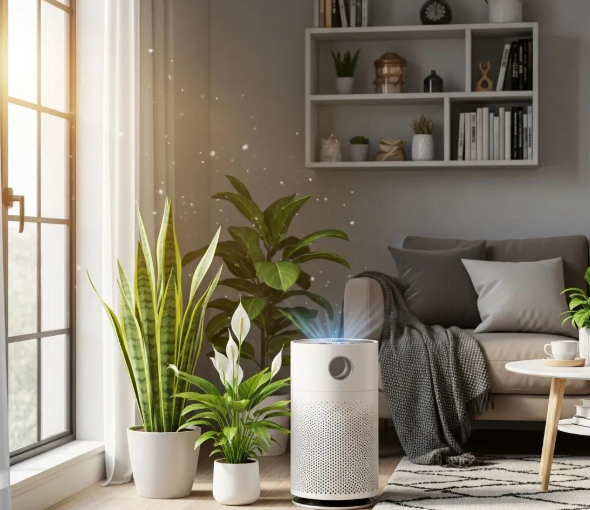
Air purifiers and smart home devices play a vital role in reducing allergens in your home. Air purifiers equipped with HEPA filters can effectively capture airborne particles, including dust, pollen, and pet dander. Smart home devices, such as smart thermostats and humidity sensors, can help maintain optimal indoor conditions by adjusting temperature and humidity levels automatically. Together, these technologies create a more comfortable and allergy-friendly living environment.

Contact Information:
Carolina Choice Cleaning
Florence, SC 29501
United States
Kelli Collins
(843) 501-1823
https://www.carolinachoicecleaning.com/

Original Source: https://www.carolinachoicecleaning.com/media-room/#/media-room