
Debunking Popular Electrical Myths: What You Need to Know
Effingham, United States - December 13, 2024 / Viper Electric of the Pee Dee /
Electricity powers our modern world, but it’s often misunderstood by the average person. Over the years, a host of myths and misconceptions about electricity and electrical work have developed. Some of these myths are harmless, while others can lead to dangerous decisions, expensive repairs, or even life-threatening situations. In this article, we’ll tackle some of the most common electrical myths, provide the facts, and explain why debunking these misconceptions is essential for safety and efficiency.
Myth 1: Rubber Gloves Will Protect You from Electrical Shock
When people think about protecting themselves from electricity, rubber gloves often come to mind. Many believe that as long as the material is rubber, they’re safe from electrical shock. Unfortunately, this is far from the truth.
Here’s the reality: not all rubber is created equal. Ordinary rubber gloves, like the ones used for dishwashing or cleaning, don’t have the insulating properties needed to protect against electrical currents. In fact, these gloves often have additives, fillers, or imperfections that make them conductive. Professional electricians use special insulated rubber gloves that meet strict safety standards for electrical work. These gloves are tested to withstand high voltage and are often used in combination with leather outer gloves to prevent punctures.
Relying on cheap rubber gloves from your local store while working with electricity can lead to severe injuries or even fatalities. Instead, if you need to work near electricity, always use the correct safety equipment or, better yet, hire a licensed professional.
Myth 2: Low Voltage Means Low Risk
Many people assume that low-voltage systems, such as those used for doorbells or phone chargers, pose no real danger. This myth stems from the idea that lower voltage equates to harmlessness, but this is misleading and potentially dangerous.
Voltage is only part of the equation. The real danger comes from current (amperage) and how it interacts with the human body. Even low-voltage systems can deliver enough current to cause injury under the right (or wrong) circumstances, especially if the skin is wet or damaged. For example, a mere 30 milliamps (mA) of current passing through the heart can cause ventricular fibrillation, a potentially fatal condition.
Additionally, low-voltage systems can cause indirect hazards, such as sparks that ignite fires or cause burns. That’s why it’s important to treat all electrical systems, regardless of voltage, with caution and respect.
Myth 3: Wood Is a Perfect Insulator
We’ve all seen TV shows or movies where someone uses a wooden stick or chair to push a live wire away. The belief that wood is a foolproof insulator against electricity is not entirely accurate.
Dry wood can have insulating properties, but those properties diminish significantly when the wood is wet or damp. Wood that has absorbed moisture, whether from the environment or in contact with liquid, can conduct electricity and create dangerous situations.
Moreover, the type of wood and its condition play a role. In high-voltage situations, even dry wood can become conductive because the intense voltage ionizes the air around it, allowing electricity to travel through. As a rule, never rely on wood or any household material for electrical safety. Instead, use proper tools and equipment designed for electrical insulation.
Myth 4: Power Strips and Extension Cords Are All the Same
Walk into any hardware store, and you’ll find a variety of power strips and extension cords, often advertised as convenient solutions for your electrical needs. The myth here is that all power strips and cords are interchangeable and can handle any appliance you plug into them.
In reality, power strips and extension cords have specific ampacity ratings. the maximum amount of electrical current they can safely carry. Overloading a power strip or using an extension cord for high-wattage appliances, such as heaters, air conditioners, or refrigerators, can cause overheating and potentially start a fire.
Even worse, cheap, unbranded power strips often lack important safety features like surge protection or circuit breakers. Always check the specifications on the packaging and ensure you’re using the right cord or strip for the job. For high-demand appliances, it’s safer to plug them directly into a wall outlet.
Myth 5: You Can Handle Small Electrical Repairs Without Training
One of the most dangerous myths is the belief that minor electrical repairs, like replacing an outlet or fixing a breaker, are easy tasks anyone can handle. This misconception has led to countless accidents, injuries, and costly property damage.
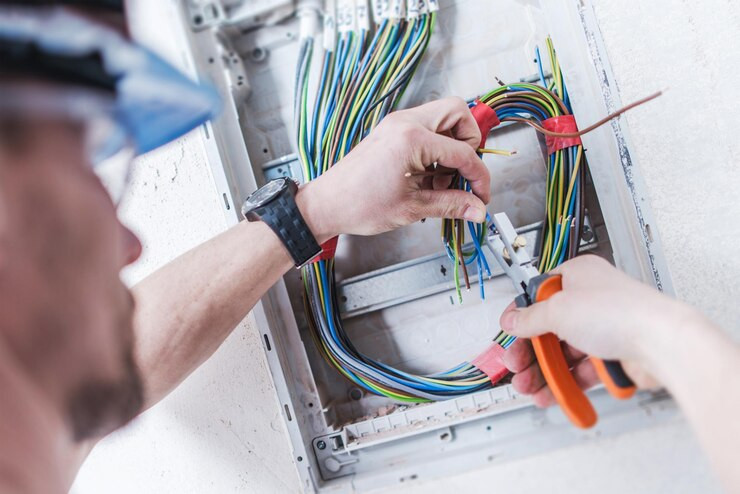
Electrical work, no matter how small it seems, requires a thorough understanding of circuits, load calculations, grounding, and safety protocols. Even a simple mistake, like connecting wires incorrectly or failing to shut off power, can result in electric shock, short circuits, or fires.
Furthermore, many electrical repairs are regulated by building codes, which exist to ensure safety. If unqualified individuals perform DIY electrical work, they could unknowingly violate these codes, making their homes unsafe and potentially voiding insurance claims in the event of an accident.
Always hire a licensed electrician for electrical work. The cost of professional expertise is a small price to pay compared to the risks of doing it yourself.
Myth 6: Turning Off the Switch Cuts All Power
It’s a common habit to flip a switch off and assume that power to the device or outlet is completely cut. While this may be true in some cases, it’s not a universal rule.
For example, in older homes or poorly wired systems, some switches may leave parts of the circuit energized even when the switch is off. Similarly, if you’re working on light fixtures or ceiling fans, the wires may still carry live electricity even after the switch is turned off.
To truly ensure safety, you should always turn off the power at the breaker box and use a voltage tester to confirm that no current is present before working on any electrical components. This extra step can save you from a painful and potentially deadly shock.
Myth 7: Lightning Won’t Strike the Same Place Twice
This age-old myth extends beyond electrical work, but it’s worth addressing because it influences how people protect their homes from lightning strikes. Contrary to popular belief, lightning can and does strike the same place multiple times.
Lightning targets the path of least resistance, which means tall objects like trees, buildings, or even lightning rods are likely to be struck repeatedly during storms. That’s why lightning protection systems, such as grounded rods and surge protectors, are so important for safeguarding your home’s electrical system.
Never underestimate the power of a storm or assume that previous strikes make you immune. Proactive measures, like unplugging devices during thunderstorms and investing in whole-house surge protectors, are crucial for protecting your property.
FAQs
Q1: Can I use any extension cord for outdoor use?
No, you should always use extension cords specifically rated for outdoor use. These cords are designed to withstand exposure to moisture, temperature changes, and physical wear, unlike indoor cords, which can degrade quickly outside.
Q2: Are all power strips surge protectors?
No, not all power strips offer surge protection. Look for ones labeled as “surge protectors” and check the joule rating to ensure adequate protection for your devices.
Q3: How often should I have my home’s electrical system inspected?
Experts recommend a professional inspection every 3-5 years, or immediately if you notice issues like flickering lights, tripping breakers, or burning smells.
Q4: Is it safe to reset a tripped circuit breaker multiple times?
No, repeated tripping is a sign of an underlying issue, such as an overloaded circuit or faulty wiring. Have a professional investigate the cause to prevent further problems.
Q5: Can I install a ceiling fan by myself if I follow online instructions?
While it’s tempting to DIY, installing a ceiling fan involves working with live electrical wiring. If you’re not experienced or confident, it’s safer to hire a licensed electrician.
Electricity is a powerful but unforgiving force, and misconceptions about it can lead to accidents or costly mistakes. By debunking these common myths, we hope to promote safer practices and a better understanding of how electricity works. Always approach electrical work with caution, respect, and, when in doubt, professional help.
Contact Information:
Viper Electric of the Pee Dee
2508 E Effingham Hwy
Effingham, SC 29541
United States
Heath Strawn
https://viperelectricpeedee.com/


Original Source: https://viperelectricpeedee.com/media-room/#/media-room